5 Tree Removal Safety Steps for 2026
Tree removal is the planned removal of a tree that is dead, diseased, dangerous, structurally unstable, or growing too close to property. Professional tree removal combines site assessment, safe cutting, controlled rigging, protective equipment, and careful cleanup to reduce risks to people, buildings, vehicles, fences, and utility lines.
When is tree removal necessary?
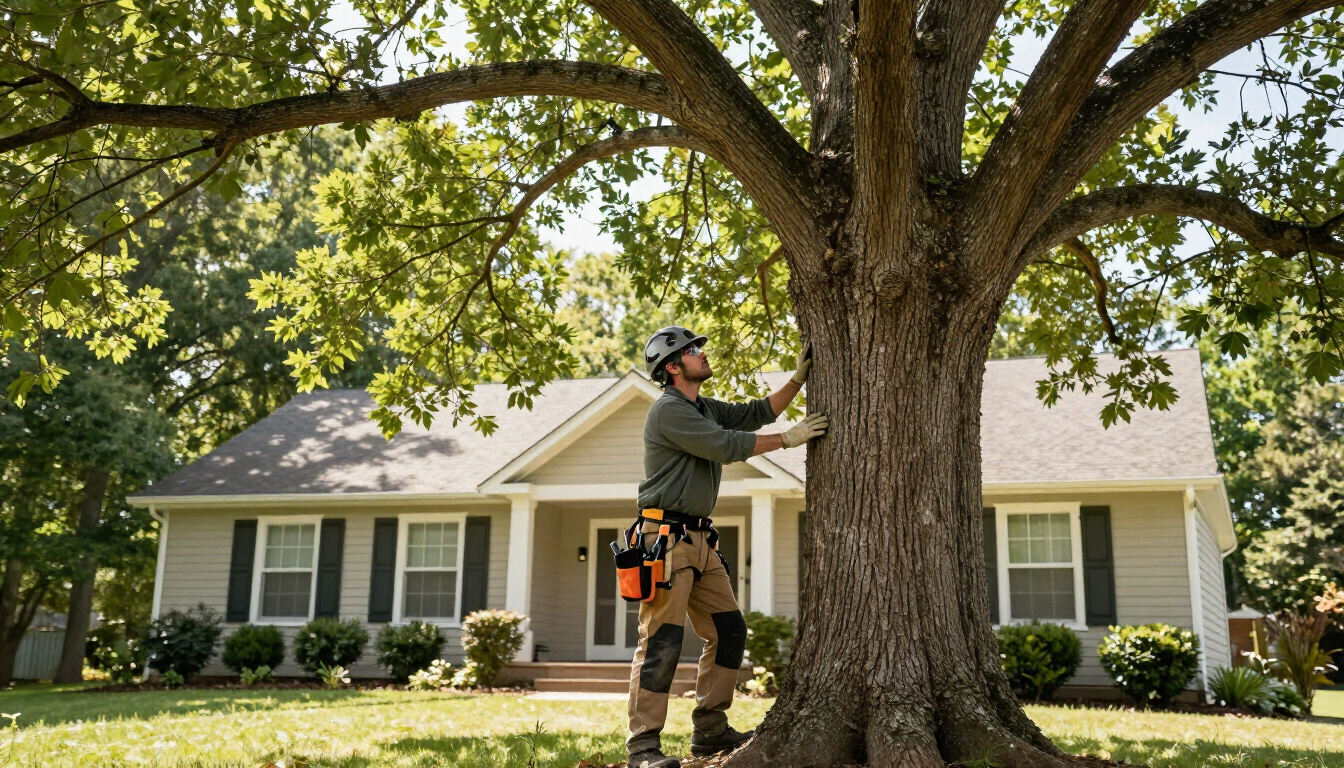
Not every unhealthy or inconvenient tree needs to come down. However, removal is often the safest option when a tree presents a clear risk or cannot be restored through pruning.
Common warning signs include:
- Large dead branches, hollow areas, or extensive decay
- Cracks in the trunk, split leaders, or major leaning
- Roots exposed, lifted, or damaged after construction or storms
- A tree touching a roof, power line, chimney, or other structure
- Serious disease or insect damage that has weakened the tree
- A tree that has already fallen or is hanging dangerously
A professional assessment helps distinguish a manageable tree-trimming issue from a genuine tree removal need. If you are unsure, contact Man of Stihl for a free estimate before cutting, climbing, or using equipment yourself.
Why is tree removal more complicated than it looks?
A tree can appear to have plenty of open space around it while still creating difficult hazards. Its branches may reach over a roof, its trunk may be under tension, and its roots may affect the tree’s balance. Wind, wet ground, nearby traffic, and hidden decay can change the job substantially.
Safe removal requires the crew to account for:
- The tree’s height, lean, weight, species, and condition
- Nearby homes, garages, sheds, fences, landscaping, and vehicles
- Overhead and underground utility lines
- Access for climbing, lowering, chipping, and hauling equipment
- Weather conditions and a safe escape route
That is why professional tree removal is not simply a matter of cutting at the base and hoping the tree falls in the right direction.
5 steps professionals use for safer tree removal
1. Inspect and plan the site
The crew first assesses the tree and everything around it. This includes identifying weak points, calculating the likely fall zone, checking access, and deciding whether the tree can be removed in one piece or must be dismantled in sections.
A proper plan also identifies where branches and trunk sections can be lowered safely. If the tree is near electrical infrastructure, the job may require coordination with the utility provider or a suitably qualified specialist.
2. Establish a controlled work zone
People, pets, and vehicles should remain outside the work area. The crew may use cones, barriers, warning signs, or a spotter to keep the site controlled. Protecting nearby surfaces and landscaping is also part of preparation.
For commercial properties, planning may include temporary access restrictions so customers, employees, and visitors are not exposed to falling limbs or moving equipment.
3. Remove branches in manageable sections
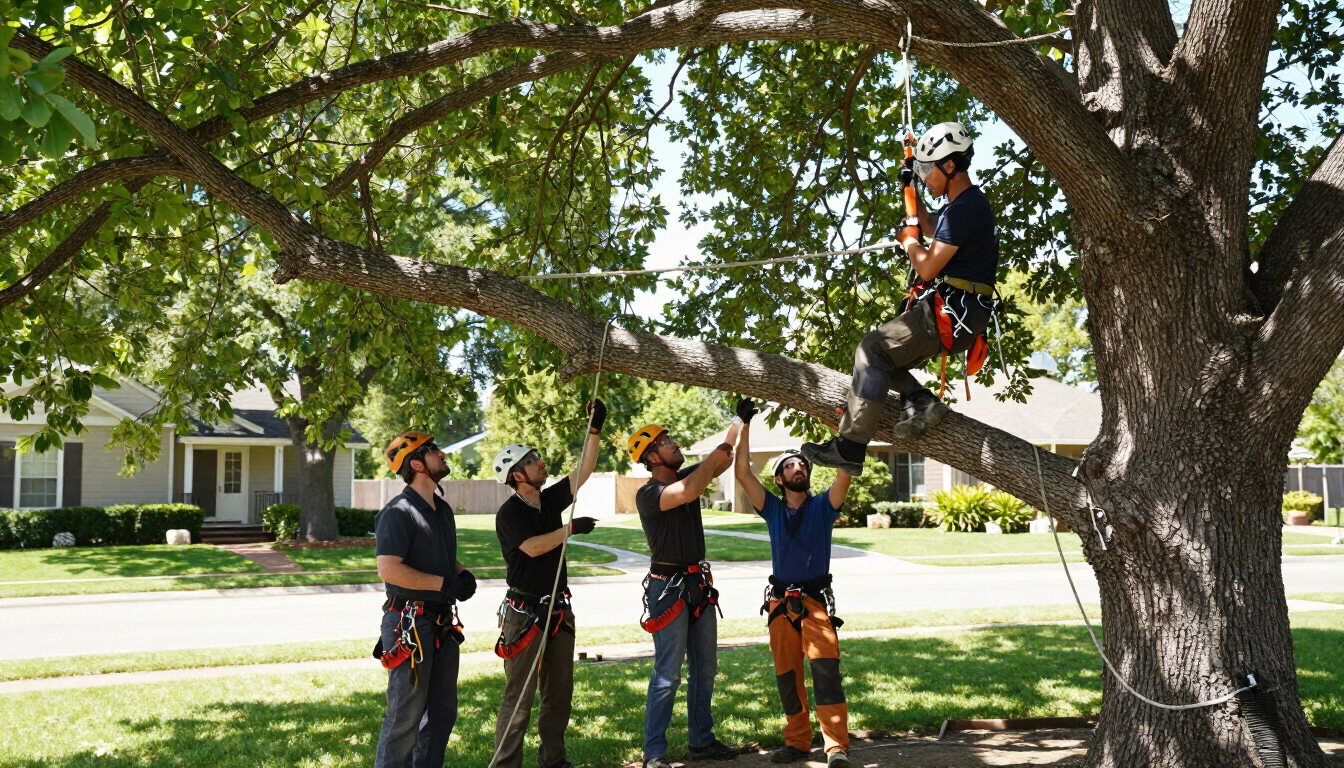
When there is not enough room for a full tree to fall, an arborist climbs or uses suitable equipment to remove the crown in sections. Ropes, lowering systems, and rigging can guide limbs towards a safe landing area instead of allowing them to drop freely.
This technique helps reduce impact damage to roofs, gardens, driveways, and fences. It also gives the crew better control over the tree’s changing weight and balance.
4. Cut and lower the trunk safely
Once the branches are removed, the trunk is cut into sections appropriate for the site. The final cuts depend on the tree’s lean, condition, available space, and the equipment being used.
Never stand beneath suspended wood or attempt to direct a falling trunk by hand. Even a relatively small section can weigh hundreds of kilograms and move unpredictably.
5. Clear the site and discuss next steps
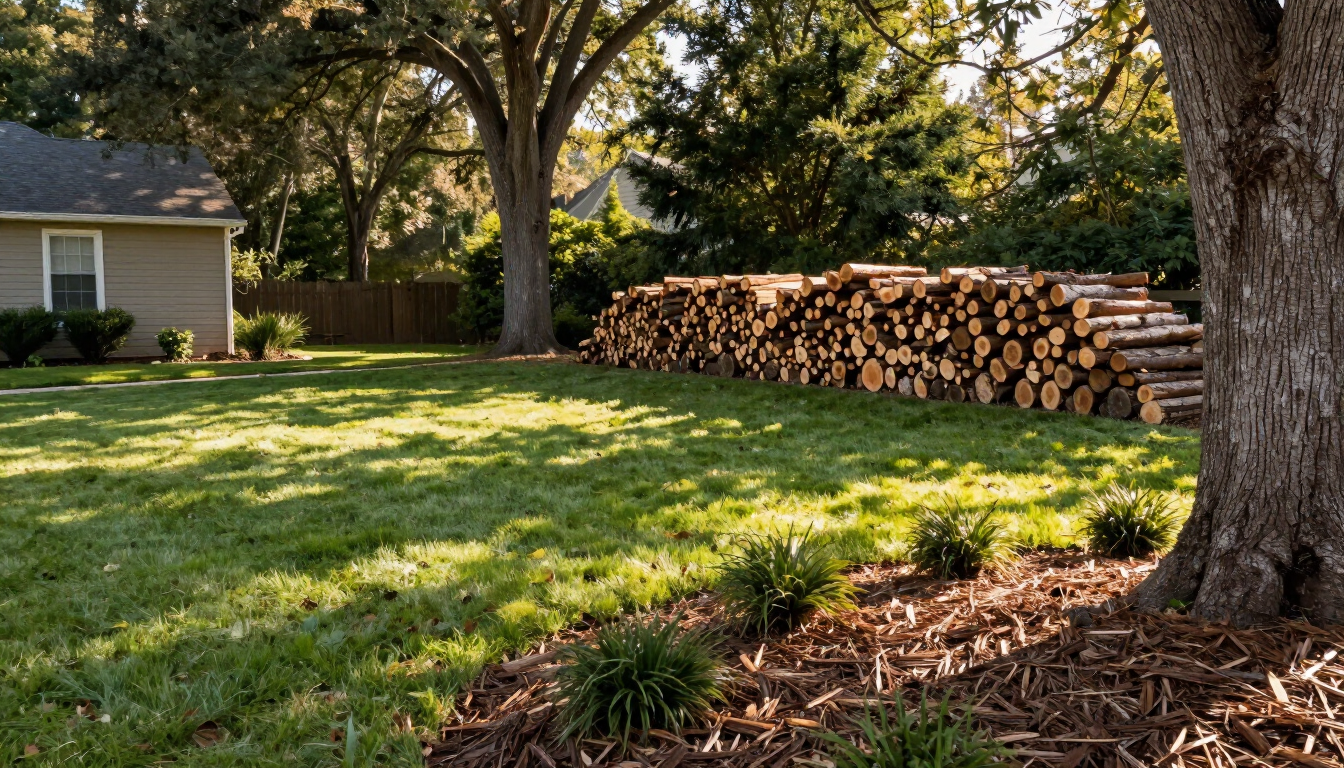
A complete service normally includes removing branches and timber, chipping suitable material, and leaving the area tidy. Depending on your needs, the remaining stump can be handled separately through professional stump grinding .
If the tree was removed because of storm damage, storm cleanup services can help address additional fallen limbs and debris across the property.
What should homeowners do before a tree removal crew arrives?
A little preparation can make the job safer and more efficient. Before the appointment:
- Move cars, outdoor furniture, toys, and grills away from the work area
- Keep children and pets indoors or elsewhere during the work
- Tell the crew about irrigation lines, septic systems, or hidden obstacles
- Ensure gates and access routes are unlocked and clear
- Discuss whether you want firewood, mulch, or all material removed
Do not prune, climb, or try to pull down a hazardous tree before the crew arrives. DIY tree removal can expose you to falling wood, chainsaw injuries, electrical hazards, and unstable trunks.
How much does professional tree removal cost?
The cost depends on the tree’s size, species, condition, location, access, proximity to structures, and the amount of dismantling required. Emergency work, difficult rigging, limited access, and additional haul-away or stump services can also affect the price.
A reliable quote should explain what is included, such as cutting, lowering, hauling, chipping, cleanup, and any extra services. Man of Stihl provides free estimates so residential and commercial customers can understand the recommended approach before work begins.
For related maintenance, compare tree removal with tree trimming services . Pruning may be enough when a tree is healthy and the issue involves overgrown or hazardous limbs rather than a failing trunk or root system.
How do you choose a tree removal company?
Look for a company that can demonstrate:
- Appropriate licensing and full insurance
- Experience with local trees, soils, weather, and property conditions
- A clear safety plan tailored to your site
- Transparent written recommendations and pricing
- A plan for cleanup and communication throughout the job
Man of Stihl LLC has more than 15 years of hands-on experience serving Southwest Missouri. The company is licensed, fully insured, offers free estimates, and provides emergency service around the clock when storm damage or a hazardous tree cannot wait.
Tree removal safety: the key takeaway
Professional tree removal is the right choice when a tree is dead, unstable, badly damaged, or positioned where falling wood could harm people or property. The safest process starts with a site assessment, continues with controlled cutting and rigging, and ends with thorough cleanup. Do not treat a hazardous tree as a simple weekend project. Instead, inspect the risk, keep people away from the area, and request an expert estimate. For homeowners and businesses in Southwest Missouri, Man of Stihl can assess the situation and recommend whether removal, trimming, storm cleanup, or stump grinding is the best next step.




